資料來源#
摘要#
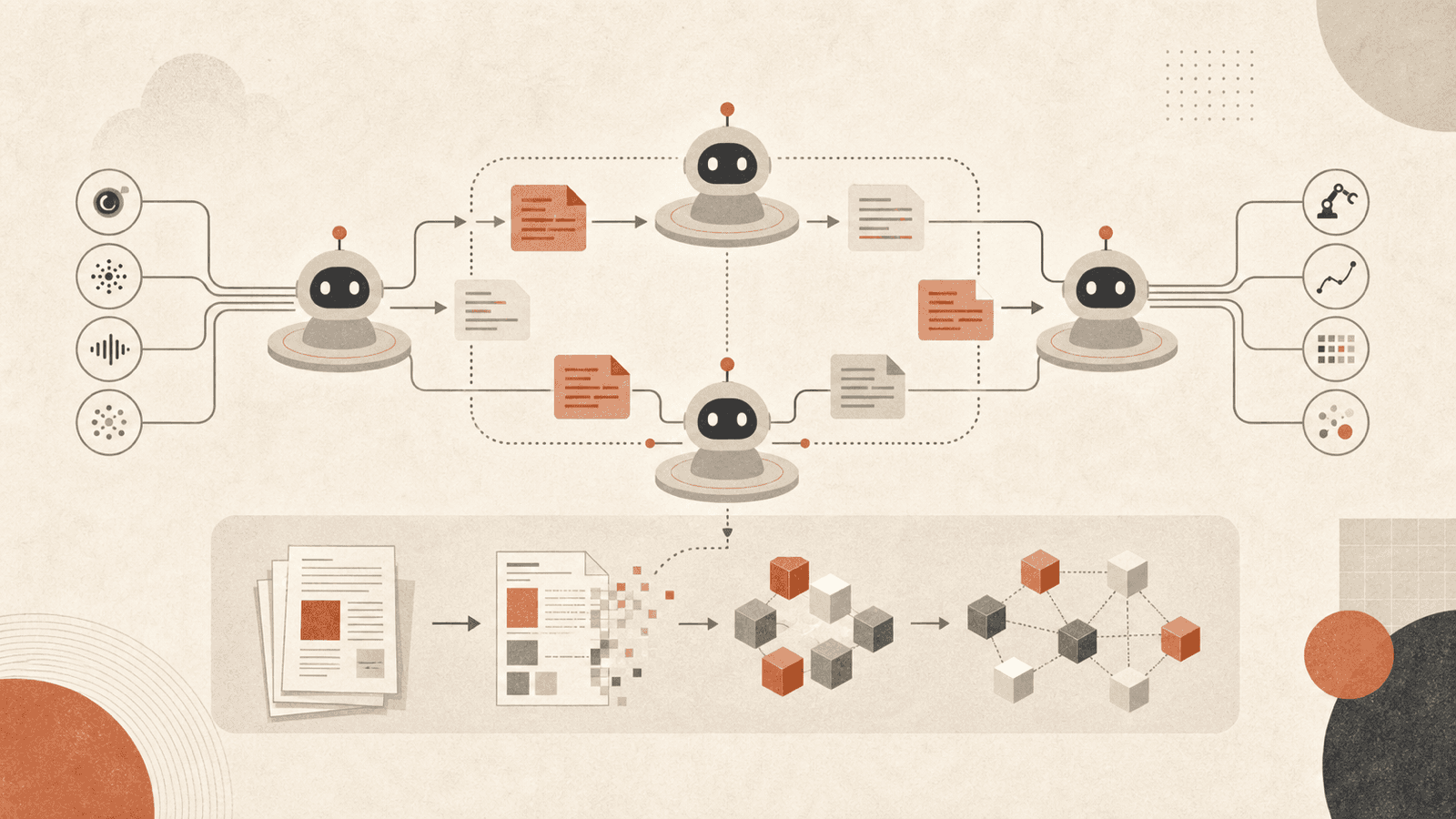
Andrej Karpathy 觀察到:數位世界仍然是為人類打造的,必須為 agent 重新編寫。他「最受不了的事」:文件是寫來指示「人」如何操作的。「為什麼大家還在叫我做這做那?我什麼都不想做。我到底該複製貼上什麼東西給我的 agent?」agent 原生的世界把工作拆解為作用於世界的感測器與作用於世界的致動器,所有東西都「優先描述給 agent」。最終會走到代表個人與組織的 agent 化身——「我的 agent 會跟你的 agent 對話,把我們會議的細節敲定。」
複製貼上給 agent 的安裝方式#
具體的種子(與 Software 3.0 共享):安裝 OpenClaw 並不是執行一段 shell script,而是一段你貼給 agent 的文字,agent 接著會檢查你的環境,並在迴圈中除錯。把它一般化:對 agent 原生軟體而言,發行的單位是一段 prompt/skill,而不是一個可執行檔。文件、設定檔與安裝流程都應該以「這是你要交給 agent 的東西」的形式發佈,而不是「這是你應該執行的步驟」。
感測器與致動器#
Karpathy 用機器人學的詞彙重新框定 agent 基礎設施:把任何工作流程拆解成 感測器(agent 能讀懂的可解析輸入)與致動器(它能執行的動作),然後讓這些介面對 agent 友善可讀。他並重押在「對 LLM 高度可解析的資料結構」上的重度投資。設計問題從「人類需要什麼樣的 UI?」轉變為「agent 感知到什麼,又能對什麼採取行動?」
部署摩擦這個徵兆#
他用 MenuGen 來測試基礎設施是否已經 agent 原生化:難的不是寫程式碼——部署到 Vercel 才是難的部分(DNS、各種服務設定、選單、把多個服務串接起來,「煩死了」)。他的夢想:「丟一段 prompt 給 LLM、把 MenuGen 蓋出來,我什麼都不用碰——它就部署到網際網路上了。」當這整段往返流程不再需要任何人類去點 GUI,基礎設施就成為了 agent 原生。(這一點與 MCP and Computer Use 相連結:MCP 讓服務在程式層面對 agent 可讀;當服務不是 agent 可讀時,computer use 就是備援方案。)
終局:agent 代表委託人#
延伸到極致就是 agent 代表個人與組織:排程、談判、協調都由 agent 對 agent 來完成。「我會請我的 agent 跟你的 agent 對話,把我們會議的細節敲定。」這是 agent 原生世界的社交協定層——也是 AI Employee Framing / Human-AI Accountability Redesign 中那些問題(誰要為 agent 做出的承諾負責?)真正成為現實的場域。
相關連結#
- Andrej Karpathy — 「文件寫給人類看」這個讓他抓狂的點
- Software 3.0 — 複製貼上給 agent 的安裝方式即為 3.0 的發行模型
- MCP and Computer Use — MCP = 結構化的 agent 可讀性;computer use = 針對非 agent 原生服務、用 GUI 操作的備援;兩者都是這個概念所要求的底層基底
- Agent Harness Engineering — 打造 agent 可讀的環境,就是基礎設施層的 harness 工程學
- Agent Loop Pattern — 持續運行、透過感測器/致動器行動的 agent,正是 agent 原生世界的執行時期
- Hermes Agent — 一個具體的 agent 原生 daemon(AGENTS.md 上下文、gateway connectors),把聊天介面橋接到 agent 致動器
- AI Employee Framing — 「agent 代表委託人」帶出了把 agent 視為行動者所衍生的問責問題
- Living Design System —
design_system.html是讓程式碼同時對機器與對人類可讀的範例 - Claude Code — 消費複製貼上 skill 並驅動 computer-use 致動器的那個 agent
開放問題#
- 究竟是誰來負責替長尾的人類介面服務做 agent 原生化的改寫?是服務本身的擁有者,還是位於其上的轉譯層(MCP 伺服器、computer-use agent)?
- agent 對 agent 的協商需要信任、身份與問責的基礎元件,這些目前都還不存在。協定層會長什麼樣子?又由誰來治理?
資料來源#
Cited by 11
- Agent Harness Engineering
Patterns for scaffolding long-running LLM agents: environment design, progressive context disclosure, mechanical archit…
- Agent Loop Pattern
`/loop` (cron-scheduled) and Ralph Wiggum (backlog-draining) loops as next-generation agent primitive; AFK execution, p…
- AI Employee Framing
Kropp et al. (HBR May 2026, n=1,261): framing AI agents as "employees" vs "tools" cuts personal accountability −9pp, in…
- Andrej Karpathy
Co-founder OpenAI, ex-Tesla AI, Eureka Labs; coined "vibe coding," Software 1/2/3.0, "ghosts not animals," "agentic eng…
- The Future of Agent Interfaces
Interface future is layered: native interaction models for human collaboration, MCP/APIs for structured action, app pro…
- Human-AI Accountability Redesign
HBR five-pillar prescription: span-of-control redesign, role redesign, performance management reset, decision-rights/es…
- Living Design System
`design_system.html` extracted from repos as a portable, human- and machine-readable source of truth; component playgro…
- MCP and Computer Use
Anthropic's two complementary connector mechanisms: MCP for structured programmatic access (Salesforce/Drive/Gmail/Slac…
- AI Engineering & Agent Tooling
Map of Content for the ai-engineering domain — 36 concepts. Curated entry point; see Home for all domains.
- Open Questions Backlog
_96 pages with open questions, as of 2026-06-14._
- Software 3.0
Karpathy's taxonomy: 1.0 code, 2.0 weights, 3.0 prompting; LLM as programmable interpreter; MenuGen "shouldn't exist";…
Related articles
- Harness Shrinkage as Models Improve
Prompt scaffolding shrinks each model release; Cat Wu's pruning discipline; Boris Cherny "100 lines of code a year from…
- Claude Code Auto Mode
Claude Code permission mode using a classifier to auto-approve safe tool calls and block risky ones; middle ground betw…
- Claude Code
Anthropic's agentic coding product; created by Boris Cherny late 2024; TypeScript/React; CLI/desktop/web/mobile/IDE sur…
- Claude Code Best Practices
Anthropic's guide to effective Claude Code usage: context management, verification-driven development, explore→plan→cod…
- Compute Allocator
The human's evolving role: deciding what's worth spending compute on; ~1% of generated tokens ship, 99% is scaffolding…