資料來源#
摘要#
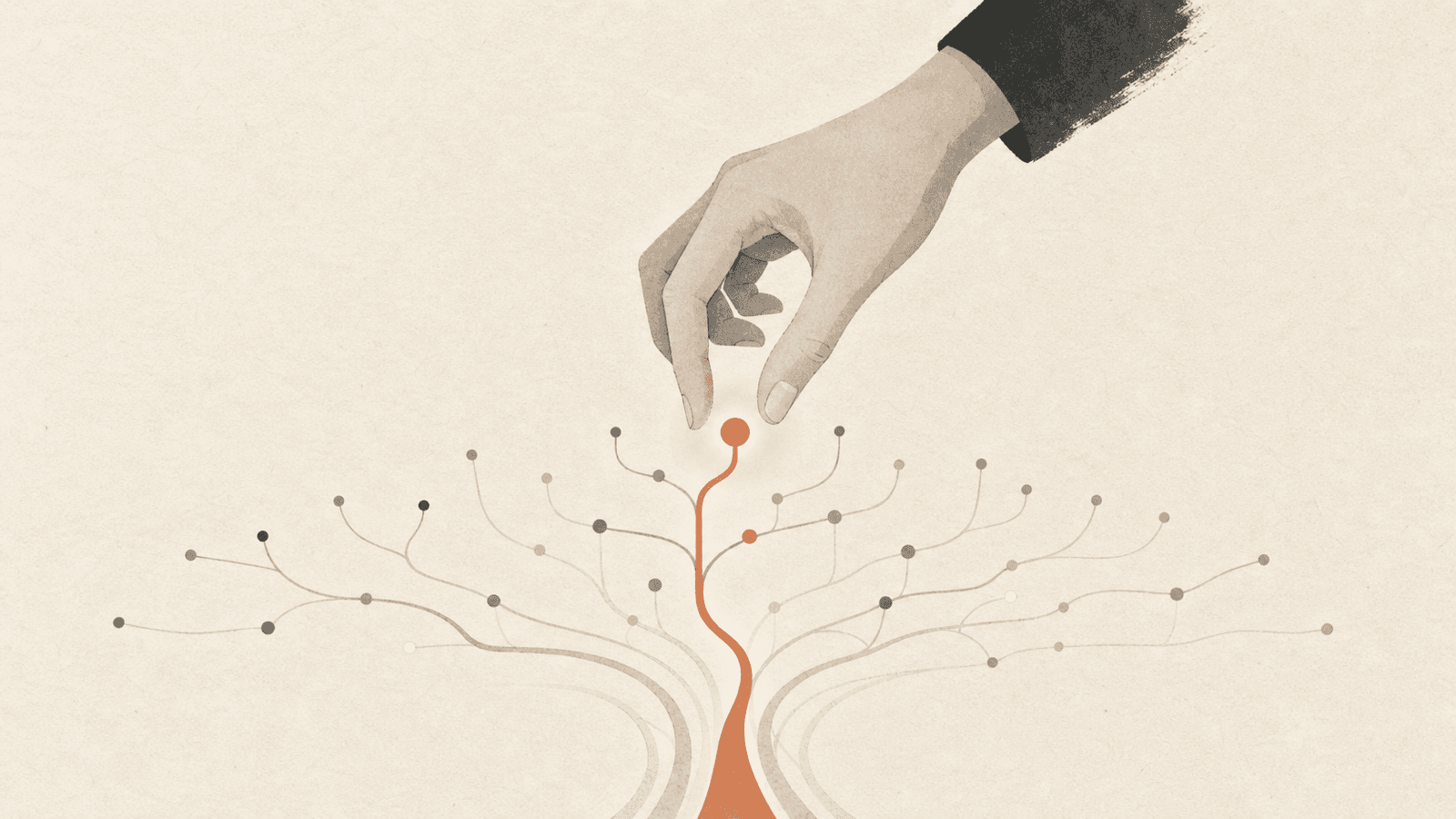
隨著 AI 吸收了 AI 開發的執行工作(AI Accelerating AI Development),人類角色逐漸收窄至一個殘餘地帶——When AI builds itself 這篇文章稱之為研究品味與判斷:「選擇哪些問題重要、哪些結果值得信任、以及某個方法何時走入死胡同。」這是自主性階梯的最高一階,也是那唯一一項能力:只要它仍掌握在人類手中,就能讓 recursive self-improvement 無法閉合迴圈。它是否仍掌握在人類手中,正是這篇文章承重的不確定性。
逐漸收窄的角色#
這篇文章對此動態最清楚的陳述是:「在 AI 開發流程的每一步,人類角色都在收窄。」兩個具體的收窄:
- 寫程式 → 審查程式。「一旦人類與 AI 撰寫的程式碼品質達到對等,人類將完全停止寫程式,轉為只做審查。」(文中說對等大約是現在;見 AI Accelerating AI Development。)這就是從人類這一側講述的 harness-shrinkage 故事。
- 執行實驗 → 選擇實驗。「一旦 Claude 能夠執行實驗,問題就轉向『這些實驗中哪一個值得跑?』」那個動手做——寫程式、跑實驗、產出結果——「現在幾乎不花任何人類時間,即使它仍然有 compute 上的成本。」
人類「目前」殘餘的比較優勢就是品味:決定什麼值得花 compute。用 Compute Allocator 的語彙來說,人類成為一個 compute 分配者,但層級是在整個研究計畫的尺度,而非單次呼叫。
為什麼它可能不會一直屬於人類——「另一種能力而已」#
這篇文章拒絕把研究品味視為人類永久的護城河。有兩個論點與此相抗:
- 汗水是可以自動化的,而那正是絕大部分的工作。 天才是「1% 的靈感加上 99% 的汗水」;那 99%——把規模拉大、看看哪裡壞掉、修好、再試一次——正是 Claude 擅長的。大規模的研究進展「主要是工具與資源的函數」。(見 The Bitter Lesson、Recursive Self-Improvement。)
- 品味呈現出與其他一切相同的能力曲線。 研究判斷力正在提升的早期證據——在艱難的轉折時刻,Claude 以 51%→64% 勝過人類對下一步的選擇(AI Accelerating AI Development)——暗示著「研究品味也許只是 AI 系統一時做不好、之後就學會做好的另一種 AI 能力」。先例是:AI 曾經不擅長、後來變得擅長解釋一個笑話為什麼好笑、展現心智理論、以及解開語言謎題——這些都是被假定為人類專屬的質性技能。這是 Jagged Intelligence (Ghosts, Not Animals) 樂觀的一面:今日的低谷就是明日的高峰。
誠實的反駁,用一位 Anthropic 員工的話來說:「人類目前的比較優勢,仍然在於看見更大的全局、以及在當下任務的框限之外思考。」問題在於,「目前」究竟是一個穩定的均衡,還是一條不斷後退的邊界。
無論如何都是瓶頸#
即使品味仍由人類掌握,它也會成為那個綁定限制——整條管線的 Amdahl's-law bottleneck。如果人類無法以 Claude 生成程式碼的速度去審查它,「人類審查就會成為 AI 開發的瓶頸」。而如果人類把大部分時間花在設定方向這個僅佔個位數百分比的工作上,每個人就駕馭著遠遠更多的工作量——於是人類判斷的品質與吞吐量成了稀缺資源,正如 Verification as the New Bottleneck 對驗證的預測、以及 HBR 那項問責制重新設計的研究對監督的預測。風險在於,人類名義上做決定,實際上卻只是橡皮圖章(那個 "not close to substituting for senior researchers" 判斷,悄悄地侵蝕成一種形式)。
人的代價(更安靜的那條線)#
這篇文章收錄了一些異常坦率的員工自述,談這種收窄感覺起來是什麼樣子——值得記錄下來,因為它們點出了生產力圖表所沒有顯示的代價:
- 小忙的禮物經濟崩解了:請同事「你能幫我把這個腳本跑起來嗎?」「會製造一點點虧欠、一點點彼此的覺察。[Claude] 速度更快、它製造零虧欠,但這每一次都是一個錯失的、向人類協作發出的邀請。」
- 那種「相關性取決於偶然」的暈眩感:「在一切順利的日子裡,我忍不住會想,我做的一切都無關緊要……但接著總有些日子,一切都壞掉、我搞不懂為什麼,然後我意識到,我根本不知道自己這陣子到底在幹嘛。」
相關#
- Recursive Self-Improvement——品味是否仍由人類掌握,決定了三種未來中哪一種會成真;這是文章的核心不確定性
- AI Accelerating AI Development——執行工作已被吸收、只剩品味作為殘餘的證據
- AI R&D Autonomy Evaluation (AECI)——「尚不接近能取代資深研究科學家/工程師」是「品味仍屬於人類」的正式版本
- Jagged Intelligence (Ghosts, Not Animals)——笑話/心智理論這個「AI 一時做不到、之後就精通的能力」先例;品味作為當前的低谷
- Autonomous Scientific Discovery——Mythos 5 的自主假設生成(相較於 Opus-class,約 80% 更受偏好)以及「只需高層次人類輸入」的基因體學,都是對品味護城河的具體鑿擊
- Verification as the New Bottleneck——如果品味/審查跟不上生成的速度,判斷就成為綁定限制
- Harness Shrinkage as Models Improve——同樣的角色收窄動態,但從 harness 這一側來看;當面向模型的 harness 消解後還剩下什麼
- Compute Allocator——把品味當作分配來行使:決定哪些實驗值得花 compute
- The Bitter Lesson——「研究進展主要是工具與資源」就是把這個苦澀的教訓對準品味本身
開放問題#
- 研究品味是一個真正的天花板(一種規模擴展觸及不到的架構性能力),還是下一個有待填平的鋸齒狀低谷?這篇文章稱之為決定性的未知數。
- 如果品味是可以自動化的,那麼在 AI 開發中——如果還有的話——什麼才是人類持久的比較優勢?
- 你要如何衡量橡皮圖章行為?「人類設定方向」可以在紙面上為真,而真正的判斷卻悄悄轉移給了模型。
資料來源#
- When AI builds itself — §"What might the future of work at Anthropic look like?" 與 §"What if we're wrong?"
Cited by 11
- AI Accelerating AI Development
The empirical core of *When AI builds itself*: measured evidence AI already speeds AI R&D at Anthropic — >80% of merged…
- AI R&D Autonomy Evaluation (AECI)
How Anthropic measures whether a model can automate or dramatically accelerate AI research — the capability that drives…
- Autonomous Scientific Discovery
Mythos-class models now conduct novel science with limited human input — autonomous protein/drug design (~10× faster, m…
- Compute Allocator
The human's evolving role: deciding what's worth spending compute on; ~1% of generated tokens ship, 99% is scaffolding…
- Harness Shrinkage as Models Improve
Prompt scaffolding shrinks each model release; Cat Wu's pruning discipline; Boris Cherny "100 lines of code a year from…
- Jagged Intelligence (Ghosts, Not Animals)
"Ghosts not animals": jagged statistical circuits, no intrinsic motivation; car-wash/strawberry failures; stay in the l…
- Governance & Workforce
Map of Content for the governance-workforce domain — 11 concepts. Curated entry point; see Home for all domains.
- Open Questions Backlog
_96 pages with open questions, as of 2026-06-14._
- Recursive Self-Improvement
An AI system autonomously designing and developing its own successor; Anthropic Institute's *When AI builds itself* arg…
- The Bitter Lesson
Sutton 2019: scaled general methods beat hand-engineered structure; recurring justification across the wiki for dissolv…
- Verification as the New Bottleneck
Fiona Fung: coding is no longer the bottleneck — verification, review, maintenance are; shift-left; TDD loses its tax;…
Related articles
- Recursive Self-Improvement
An AI system autonomously designing and developing its own successor; Anthropic Institute's *When AI builds itself* arg…
- Task Time-Horizon Scaling
METR's measure of the task length AI can complete reliably on its own, doubling roughly every 4 months (up from every 7…
- AI Accelerating AI Development
The empirical core of *When AI builds itself*: measured evidence AI already speeds AI R&D at Anthropic — >80% of merged…
- Harness Shrinkage as Models Improve
Prompt scaffolding shrinks each model release; Cat Wu's pruning discipline; Boris Cherny "100 lines of code a year from…
- AI R&D Autonomy Evaluation (AECI)
How Anthropic measures whether a model can automate or dramatically accelerate AI research — the capability that drives…