資料來源#
摘要#
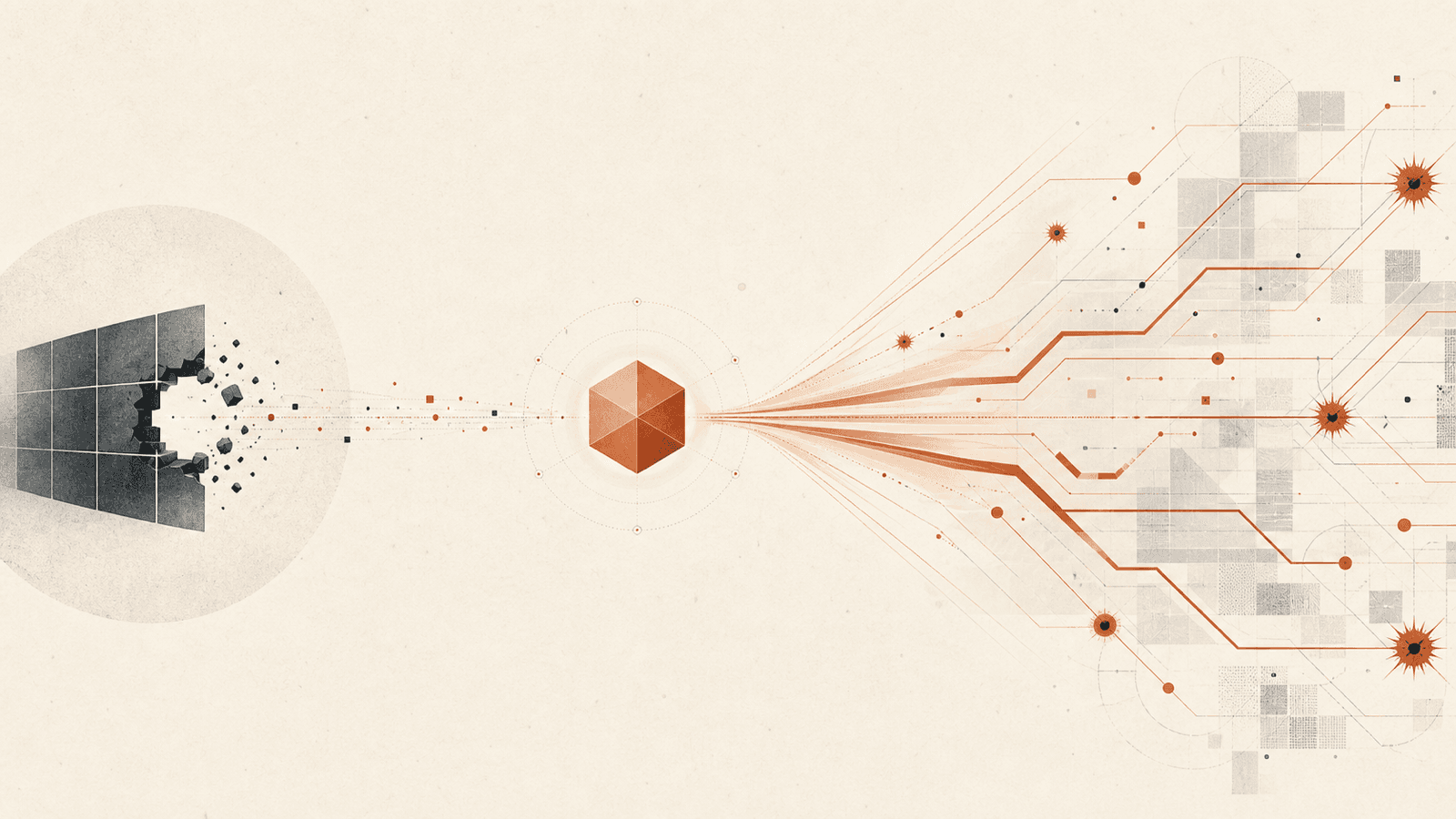
Zero Trust for AI Agents 背後的「為何是現在」:前沿 AI 模型正在把從漏洞到可利用攻擊的時間線從數月壓縮到數小時,而邊際成本以美元計算。 以周界為基礎的防禦跟不上,威脅本身也在加速。這不是推測——模型已經能發現傳統工具與人工審查多年來都未發現的嚴重漏洞(實證案例見 LLM-Driven Vulnerability Research)。AI 加速的攻擊正是拉高 Zero Trust「Foundation 底線」、並擊穿以摩擦為基礎的控制手段的力量(Impossible, Not Tedious (Design Test))。
雙重加速#
加速是雙向的,對任何部署 agent 的組織而言意義加倍:
- agent 所運行的基礎設施與其餘資產一樣,暴露於 AI 加速的攻擊之下。
- agent 本身帶來自主性(目標解讀、工具選擇、多步驟執行),而傳統存取控制並非為此而建。
採用這些工具的防禦方會更快發現並修補缺陷;攻擊方採用後——或僅需等待防禦方修補、再將修補反向工程成漏洞利用——同樣會更快。框架所強調的不對稱:即使是純反應型攻擊者也能受益,因為修補本身就是可被武器化的公開訊號。
對防禦者的後果#
- N-day 窗口崩塌——自主的 CVE 到漏洞利用管線意味著從揭露到大規模利用之間的間隔縮短;修補週期必須收緊。生產環境修補若仍走兩週變更審批流程,「本身就是安全風險」。
- 自動更新直覺翻轉——框架建議在可接受更新導致中斷的元件上啟用自動更新,因為人工審批延遲現在才是更大的風險(並搭配簽章驗證)。
- 規模量級放大一個數量級——要為「五起同時事件,而非一起」做規劃與演練(見 Autonomous Defense)。
- 停留時間與覆蓋率是最高槓桿指標——AI 自動化最能推動這兩項,而在可利用窗口縮短時它們也最關鍵。
反直覺的差異化因素#
框架的核心戰略主張:「最適應這波轉變的組織,未必是 AI 最先進的那些;而是基本盤夠強、讓 AI 輔助掃描一開始就較少發現缺陷的組織,且 agent 部署從第一天起就按遭入侵情境架構的組織。」 能力無法取代衛生——它只會放大缺乏衛生的代價。
相關連結#
- Zero Trust for AI Agents——AI 加速的攻擊所驅動的框架;為此提高了 Foundation 底線(樞紐)
- LLM-Driven Vulnerability Research——實證證據:Mythos 級模型自主發現 zero-day 並串聯漏洞利用
- Impossible, Not Tedious (Design Test)——每次嘗試成本趨近於零,正是擊穿摩擦型控制的原因
- Agent Supply Chain Risk——模型能辨識未修補上游元件中的已知漏洞特徵,將供應鏈武器化
- Autonomous Defense——必要回應:以威脅的速度運行安全營運
- Claude Opus 4.7——首個 post-Glasswing GA 模型;為對抗這波加速而內建的安全防護
開放問題#
- Anthropic 認為 LLM 長期上更利於防禦方(如同 fuzzer),但在過渡期短期內更利於攻擊方。過渡期有多長?誰能贏,由什麼決定?
- 「基本盤夠強、讓掃描較少發現缺陷」假設防禦方會先跑掃描器。負擔不起持續模型驅動掃描的組織會如何?
資料來源#
- Zero Trust for AI Agents — "Building for the next threat landscape"(開篇)與結尾章;於 Part II 與 Part V 中反覆出現
Cited by 10
- Agent Supply Chain Risk
Runtime-composed agent ecosystems expand the supply-chain attack surface: model poisoning (250 docs backdoor a 13B mode…
- Autonomous Defense
Running security operations at the speed of AI-accelerated threats: put a model at the front of the alert queue, automa…
- Blast Radius (Agentic)
The potential damage if an agent is compromised; the unit Zero Trust's 'assume breach' posture is built to contain via…
- Claude Opus 4.7
GA frontier model from Anthropic; direct upgrade to 4.6 at same price; literal instruction following, 1.0–1.35× tokeniz…
- Impossible, Not Tedious (Design Test)
Zero Trust design test for agentic security: does a control make the attack impossible, or just tedious? Friction-only…
- LLM-Driven Vulnerability Research
Claude Mythos Preview's emergent cybersecurity capabilities: autonomous zero-day discovery, full exploit chains, and An…
- AI Engineering & Agent Tooling
Map of Content for the ai-engineering domain — 36 concepts. Curated entry point; see Home for all domains.
- Open Questions Backlog
_96 pages with open questions, as of 2026-06-14._
- Responsible Scaling Policy Evaluations
Anthropic's RSP gates deployment on pre-release capability evaluations in CBRN, automated AI R&D, and high-stakes misal…
- Zero Trust for AI Agents
Anthropic's security framework for deploying autonomous agents: trust nothing / verify everything / assume breach, appl…
Related articles
- Least Agency
OWASP term extending least privilege to agents: constrain not just what an agent can access but what each tool can do,…
- LLM-Driven Vulnerability Research
Claude Mythos Preview's emergent cybersecurity capabilities: autonomous zero-day discovery, full exploit chains, and An…
- Zero Trust for AI Agents
Anthropic's security framework for deploying autonomous agents: trust nothing / verify everything / assume breach, appl…
- Agent Identity and Authentication
The foundation control for agentic Zero Trust: cryptographically-rooted per-agent identity (→X.509→hardware attestation…
- Blast Radius (Agentic)
The potential damage if an agent is compromised; the unit Zero Trust's 'assume breach' posture is built to contain via…