資料來源#
- Anthropic's Boris Cherny: Why Coding Is Solved, and What Comes Next
- Designing with Claude: From prompt to production
- How Anthropic's product team moves faster than anyone else | Cat Wu (Head of Product, Claude Code)
摘要#
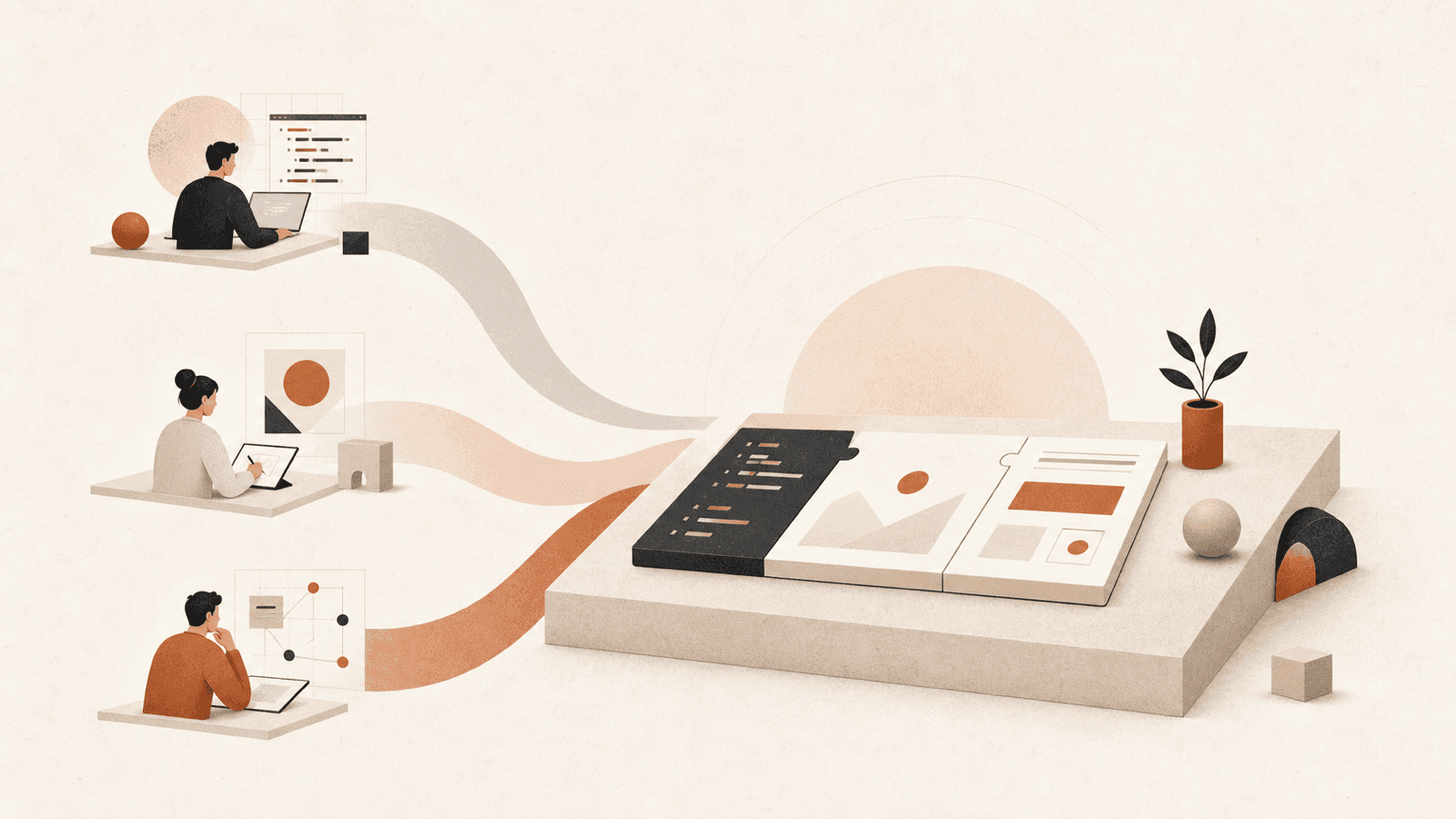
Boris Cherny(Sequoia AI Ascent 2026)與 Cat Wu(Lenny's Podcast,2026 年 4 月)都從 Anthropic 內部觀察到相同的趨勢:角色正在融合。工程師做 PM 的工作、PM 發佈程式碼、設計師發佈程式碼,Claude Code 團隊裡每一個職能角色都在寫程式碼。在這個融合後的角色中,真正關鍵的共通技能是 product taste——也就是決定要打造什麼,因為打造本身如今已變得廉價。這對傳統的跨職能團隊模型(一位 PM、一位設計師、數位工程師,外加獨立的 eval/QA)構成了挑戰,並指向一種由掌握大量脈絡的通才所組成的小型團隊,由個人 end-to-end 地獨立完成交付。
Anthropic 內部實際發生的事#
出自 Cat Wu:
- Claude Code 團隊的每個人都寫程式碼——工程經理、產品經理、設計師、資料科學家、財務、使用者研究員。
- 設計師過去是前端工程師。
- 「我們團隊中有許多工程師完全有能力 end-to-end 地完成工作,從在 Twitter 上看到使用者回饋,一路到週末發佈產品,幾乎不需要產品團隊的介入。」
- 招募取向:「我們相當專注於招募具備出色 product taste 的工程師。」
- Boris ↔ Cat 之間的分工是「80% mind-meld、20% 由領域驅動」。
出自 Boris Cherny:
- 「跨學科的通才」——同時也擅長設計,或同時精通產品與資料科學的工程師。
- 「我們團隊的每個人都寫程式碼。」
- 「product engineer」這個原型(iOS + web + server)只是基準通才;新的模式則是跨學科通才。
出自 Dan Carey(Anthropic Labs,正在打造 Claude Design):
- 在大部分的開發期間,這個團隊只有三個人;「團隊裡每個人什麼都做——工程師與使用者交談、PM 寫程式碼、設計師做資料分析。」
- 「這個團隊裡角色之間的界線基本上已經消失了。」你仍保有自己的專長與獨特觀點,但在任何時刻,一個人都能與 10 位使用者交談、找出底層問題、設計解法、發佈它,並持續迭代——「團隊裡大多數的事情都是完全單人完成的。」
- 「Claude 是個相當不錯的團隊成員」——正是這位第三名隊友,讓一個三人團隊能像更大的團隊那樣運作。
品味論點#
「當寫程式碼變得便宜許多時,變得更有價值的,是決定要寫什麼。」
— Cat Wu
程式碼生成的成本正在下降。瓶頸向上游轉移:
- 從 1 萬個 GitHub issue 中挑選要發佈哪一個功能
- 設計 UX,讓模型的優勢得以展現、弱點獲得彌補
- 判斷何時該以 research preview 的形式推出,何時該推出完整產品
- 區分人們嘴上說想要的那 90 個功能,與他們實際會用的那 10 個功能
這就是 product taste,而它並不受職稱約束——工程師可以有、設計師可以有、PM 也可以有。誰擁有它,發佈出來的就是好成果;誰沒有,發佈出來的就是 drift。
為什麼是現在(Lenny 的不同觀點)#
Lenny 在訪談 Cat 的過程中提出反駁,他引用了 Anthropic 的 Growth 負責人 Amol Avasare 先前那集節目的內容:Amol 說他需要更多的 PM,因為工程師發佈的速度太快,設計師與 PM 都跟不上——每天都有新功能出現。
Cat 同意這種情況有可能發生,但在 Claude Code 上,她偏好「具備品味的工程師」這條路徑:少招這類人、放大槓桿、減少協調交接。
這兩種答案並不矛盾——它們描述的是不同的團隊形態:
- Cat 的模型: 由通才組成、具高度自主權的小型團隊(Claude Code,約數十人)
- Amol 的模型: 較大型的組織,工程師推進迅速,需要 PM/設計的支援來維持同步(Growth、GTM、Enterprise)
不對稱之處:人類的 EQ 依然不可取代#
Cat 點名了哪些工作不會融合:那些隱性的、仰賴常識、高度依賴 EQ 的工作——知道該在哪個場合與利害關係人溝通、感知一次發佈是否已經準備就緒、判斷怎樣才算公平的取捨。模型在這方面正在進步,但還沒到位,而人類依然是貫穿整場發佈的連結組織。
"Just do things"#
Cat 的人生座右銘:
「職務是虛設的。只要你理解了種種限制,你就能想清楚自己能做什麼,然後就盡快動手去做,從錯誤中學習,如果做錯了就道歉或修正它。」
這正是讓角色融合得以運作的文化基底。如果角色被 JD 框死,就沒有人會跨職能行動。如果「做需要做的事」成為常態,融合就會自然而然地發生。
讓「just do things」不至於淪為混亂的,是使命對齊——Cat:「如果有兩個相互競爭的優先事項,我們會討論哪一個對 Anthropic 的使命更重要。這讓我們在兩者之間做出取捨容易許多。而一旦決定,每個人都會全力支持我們所選定的那一個。」
啟示#
- 為品味而招募,不論角色為何。 Cat 明言的標準是:任何能展現出強大 product taste 的人。
- 積極進行跨領域培訓。 如果你的設計師不發佈程式碼,那是組織的選擇,而非客觀的限制。
- 更小的團隊。 一個由 5 人、每個人都 end-to-end 負責到底的團隊,比一個有 15 人卻充滿交接的團隊發佈得更快。
- PRD 變得更輕量。 Cat:對模糊的功能採用簡短的條列式 PRD;指標讀出與團隊原則承擔了大部分的對齊工作;只有重度依賴基礎設施的專案才寫完整的 PRD。
- 職涯階梯走向碎片化。 Cat:「我們正在犧牲產品的一致性」,以此換取發佈速度;而職涯階梯的一致性,則是一個更安靜的犧牲品。
相關連結#
- Outsource Your Thinking, Not Your Understanding — 融合後的通才必須在委派執行的同時,保有自己的理解
- Seven Powers Applied to AI — 隨著角色融合為通才,流程權力(process power)逐漸瓦解
- Cat Wu — 主要闡述者
- Boris Cherny — 來自同一團隊的趨同佐證
- AI Native Product Cadence — 讓角色融合得以可行的發佈節奏
- Claude Code Best Practices — 「具備品味的工程師」正是 Claude Code 所鎖定的使用者輪廓
- Harness Shrinkage as Models Improve — 隨著 harness 縮小,「PM」這個角色的範圍隨之縮小;而「發佈產品的人」這個角色的範圍則隨之擴大
- Printing Press Software Democratization — 相同的方向,不同的時間尺度:軟體素養擴展,角色之間的區隔變得模糊
- Agent Loop Pattern — 在極限情況下,個人貢獻者可以運行數十個 agent,像過去整個團隊那樣發佈
- Human-AI Accountability Redesign — 這場融合在整個勞動力層面的映照:隨著 agent 接手執行,人類的角色集中到監督/判斷/監管品質上
- AI Employee Framing — 跨職能通才的反證:在 HR/財務的情境中,把 AI 定位為同事(而非工具)反而會侵蝕個人責任感,而不是擴展它
- Compute Allocator — 將「deciding what to write」作為瓶頸技能,在個別模型呼叫的層級上重新表述(Thariq Shihipar)
- Living Design System — 讓非工程師也能自助取得高擬真資產的工具,正是角色界線在整個組織中模糊化的產物面向
- Founder as Agent Orchestrator — 將公司內部的角色融合推演到創辦人/一人公司的尺度;相同的方向,更小的單位
- AI-Native Startup Lifecycle — 這場融合在創辦人/新創版本中的體現:逐階段壓縮各職能專屬的關卡
- Evals as Product Spec — 最典型的混合角色活動:PM 寫 eval、工程師寫 eval,兩者都收斂到「十個出色的 eval」這個共享的「完成定義」產物上
- Managers as ICs — Fiona Fung 將「每個人都寫程式碼」沿著組織架構往上延伸:每一位 Claude Code 主管都從 IC 做起
- Dogfooding as Product Discipline — 「具備產品意識的創意建造者」正是這場融合所產生、由 dogfooding 餵養出來的招募輪廓
- Dan Carey / Anthropic Labs — 三人組成的 Claude Design 團隊作為第二個案例研究:「每個人什麼都做」,角色已然消融
- Compounding Loop Optimization — 正是這種小型、角色已消融的團隊,讓「打造自己的工具、獨自運行循環」成為可行
待解決的問題#
- 這能否擴展到超過約 50 人的 Claude Code 式團隊之外?Boris 含糊其辭:「我認為這會是未來好幾年都要面對的問題。」
- 在工程師承擔 PM 工作的公司裡,正式的 PM 職涯階梯會怎樣?根據 Cat 的說法,這在 Anthropic 仍是未解。
- 跨學科通才是一條招募門檻——但這樣的人才供給從哪裡來?是轉職者,還是傾向 AI 原生教育的新鮮畢業生?
衍生內容#
- Learning to Co-Work with AI: A Software Engineer's Field Guide — 將工程師-PM 融合視為一項個人職涯技能的指引(product taste 作為瓶頸技能群)
- Opinions on Using AI Tools & the Future of the Software Engineering Role — 角色融合作為「軟體工程師角色的未來」這項綜論的核心支柱
資料來源#
Cited by 29
- Agent Loop Pattern
`/loop` (cron-scheduled) and Ralph Wiggum (backlog-draining) loops as next-generation agent primitive; AFK execution, p…
- AI Employee Framing
Kropp et al. (HBR May 2026, n=1,261): framing AI agents as "employees" vs "tools" cuts personal accountability −9pp, in…
- AI Native Product Cadence
Cat Wu's 6mo→1mo→1day cadence at Anthropic: research-preview branding, mission-as-tiebreaker, evergreen launch room, li…
- AI-Native Product Org Bottlenecks
AI-native product-org bottleneck is accountable taste at speed: dogfooding trains taste, evals encode it, and accountab…
- AI-Native Startup Lifecycle
Anthropic's May 2026 reframing of Idea/MVP/Launch/Scale assuming AI infrastructure: each stage's headcount/capital/skil…
- Opinions on Using AI Tools & the Future of the Software Engineering Role
Debate map of four stances on using AI tools (bullish-insider / pragmatist-practitioner / skeptic-governance / architec…
- Anthropic
AI safety company / vendor of Claude; mission-as-tiebreaker culture; ~30–40 PMs across teams; Mike Krieger leads Labs r…
- Anthropic Labs
Anthropic's internal incubator — a 'bet factory' of ~a dozen tiny teams exploring the model frontier with lean-startup…
- Boris Cherny
Creator of Claude Code at Anthropic; phone-driven workflow with hundreds of agents; primary advocate of `/loop` primiti…
- Cat Wu
Head of Product for Claude Code and Cowork at Anthropic; primary articulator of AI-native product cadence and engineer-…
- Claude Code
Anthropic's agentic coding product; created by Boris Cherny late 2024; TypeScript/React; CLI/desktop/web/mobile/IDE sur…
- Claude Code Best Practices
Anthropic's guide to effective Claude Code usage: context management, verification-driven development, explore→plan→cod…
- Compounding Loop Optimization
Dan Carey's discipline of instrumenting and automating every recurring step of the build loop — because when internal t…
- Compute Allocator
The human's evolving role: deciding what's worth spending compute on; ~1% of generated tokens ship, 99% is scaffolding…
- Cowork
Anthropic's non-code knowledge-work agent product; sibling to Claude Code; output is decks/inbox/dossiers; same MCP/com…
- Dogfooding as Product Discipline
Product sense is built by relentless first-hand use ("ant food"); Mr. Peanut catch; cross-source (Cat Wu vibe-checks, G…
- Evals as Product Spec
Cat Wu's framing of evals as the emerging core PM skill: ten great evals beats a hundred mediocre; encode what done loo…
- Founder as Agent Orchestrator
Founder role shift: less individual contributor, more orchestrator of specialized AI assistants; non-technical founders…
- Human-AI Accountability Redesign
HBR five-pillar prescription: span-of-control redesign, role redesign, performance management reset, decision-rights/es…
- Learning to Co-Work with AI: A Software Engineer's Field Guide
Field guide for software engineers in the AI era: 6 skill clusters (taste, harness, alignment-first planning, agent-fri…
- Living Design System
`design_system.html` extracted from repos as a portable, human- and machine-readable source of truth; component playgro…
- Managers as ICs
Every Claude Code manager starts as an IC; flat org; agentic coding collapsed the onboarding cost that pushed managers…
- Product & Organization
Map of Content for the product-org domain — 8 concepts. Curated entry point; see Home for all domains.
- Open Questions Backlog
_96 pages with open questions, as of 2026-06-14._
- Orchestration vs Employee Framing: Reconciling the Founder's Playbook with HBR's Accountability Evidence
Reconciles the Founder's Playbook orchestration framings with HBR Kropp et al.'s accountability evidence; "orchestratio…
- Outsource Your Thinking, Not Your Understanding
"You can outsource your thinking but not your understanding"; understanding as the non-delegable human bottleneck; know…
- Printing Press Software Democratization
Boris Cherny's analogy: 1400s literacy expansion → AI software-writing expansion; domain knowledge displaces coding ski…
- Seven Powers Applied to AI
Helmer/Acquired framework re-evaluated for AI: switching costs and process power erode; network effects, scale, cornere…
- Thariq Shihipar
Engineer on the Claude Code team at Anthropic; "HTML is the new markdown" and "compute allocator" framings; three HTML-…
Related articles
- Claude Code
Anthropic's agentic coding product; created by Boris Cherny late 2024; TypeScript/React; CLI/desktop/web/mobile/IDE sur…
- Harness Shrinkage as Models Improve
Prompt scaffolding shrinks each model release; Cat Wu's pruning discipline; Boris Cherny "100 lines of code a year from…
- AI Native Product Cadence
Cat Wu's 6mo→1mo→1day cadence at Anthropic: research-preview branding, mission-as-tiebreaker, evergreen launch room, li…
- Anthropic
AI safety company / vendor of Claude; mission-as-tiebreaker culture; ~30–40 PMs across teams; Mike Krieger leads Labs r…
- Cowork
Anthropic's non-code knowledge-work agent product; sibling to Claude Code; output is decks/inbox/dossiers; same MCP/com…